Empowering Garment Workers:
A Comprehensive Toolkit for Health and Wellness of RMG workers in BanglAdesh
Together let’s foster a culture of health and wellness, supporting the individuals who contribute to the RMG industry’s success.
About the Toolkit
Introducing our comprehensive “Health and Wellness Toolkit for Garment Workers,” designed to prioritize the well-being of those working in the garment industry. This invaluable resource offers a range of practical tools, resources, and information to promote physical and mental health, ensuring a safe and supportive work environment. From ergonomic practices and injury prevention techniques to stress management and self-care strategies, our toolkit aims to empower garment workers with the knowledge and tools they need to thrive both on and off the job. Together, let’s foster a culture of health and wellness, supporting the individuals who contribute to the RMG industry’s success.
A key sector for Bangladesh
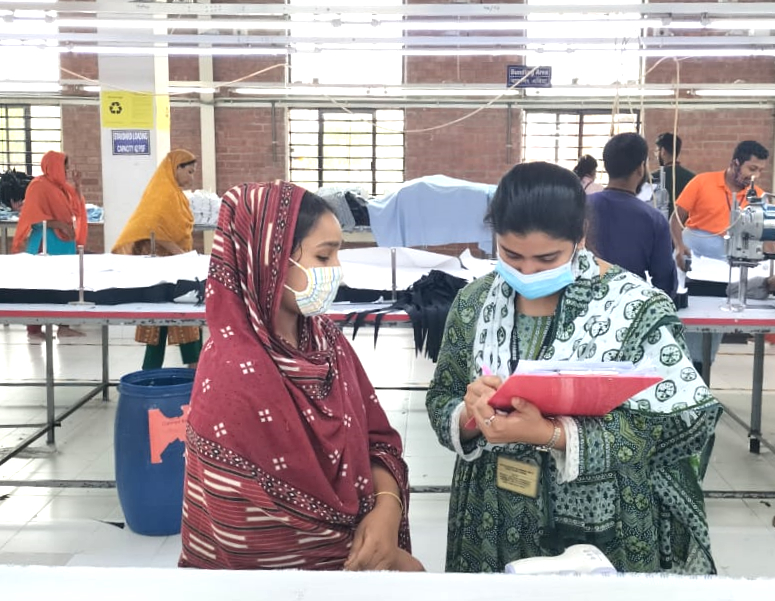
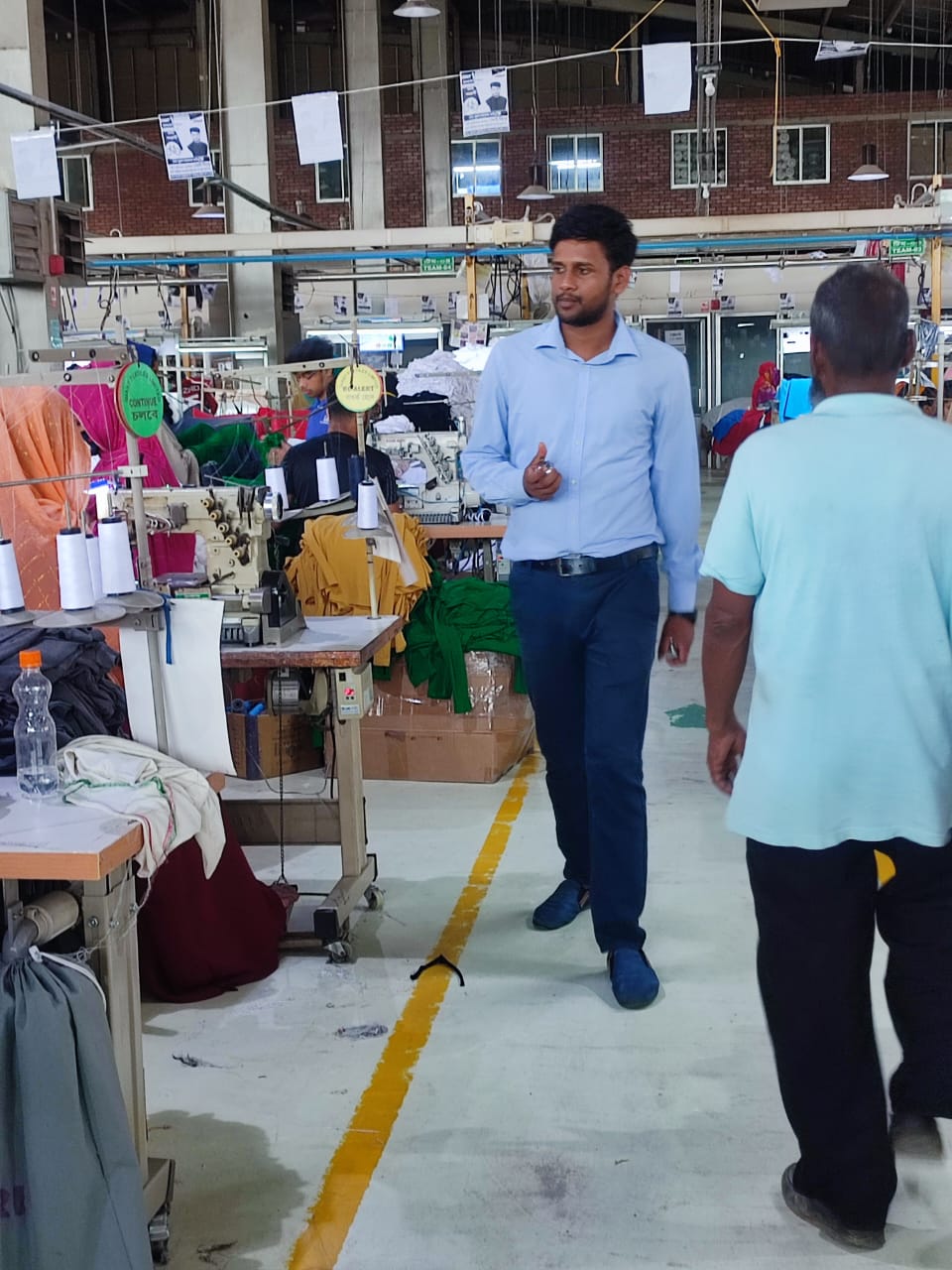
The Bangladesh Ready-Made Garment industry has grown over the space of a few short decades to become the second largest in the world. The RMG sector has become a key driver of the Bangladesh economy and the nation’s development. RMG exports totalled US$24.5 billion (2013-14) accounting for over 80% of the nation’s export earnings and employing around 4 million workers, an estimated 55-60% of whom are women.
Enhancing occupational health and welbeing
Promoting occupational health and well-being is crucial for Ready-Made Garment (RMG) workers, safeguarding their welfare and fostering a sustainable workplace. Investing in these measures not only supports individual workers but also contributes to the long-term resilience and success of the RMG industry.
Worker's Health and Wellness improves productivity
The well-being of Ready-Made Garment (RMG) workers is integral to sustained productivity, with healthy employees contributing to a more stable and efficient production environment. Prioritizing health initiatives within the RMG sector is a key investment in both workforce resilience and industry success.
Objective
Our aim is to enhance the health and empowerment of garment workers in Bangladesh through a comprehensive toolkit. We strive to provide accessible resources, fostering holistic well-being and building resilience in their work environment.
toolkit
Maintaining Health and Wellness at Factory
Resources to equip individuals and communities with the knowledge and tools to navigate the challenges posed by infectious diseases.
Female Health Concerns
An essential resource for improving menstrual hygiene for women and girls in lower and middle-income countries.
General
Vaccination
Empowering Communities through General Vaccination Initiatives
COVID-19 Awareness and Prevention
This essential resource equips individuals and communities with vital information, guidelines, and resources to navigate these uncertain times with confidence and resilience.
Customize the toolkit to your needs
The design and implementation of the online toolkit should align with relevant legal and regulatory requirements. Factories may need to customize and adapt the toolkit to suit their specific needs and local guidelines.
Knowledge Hub
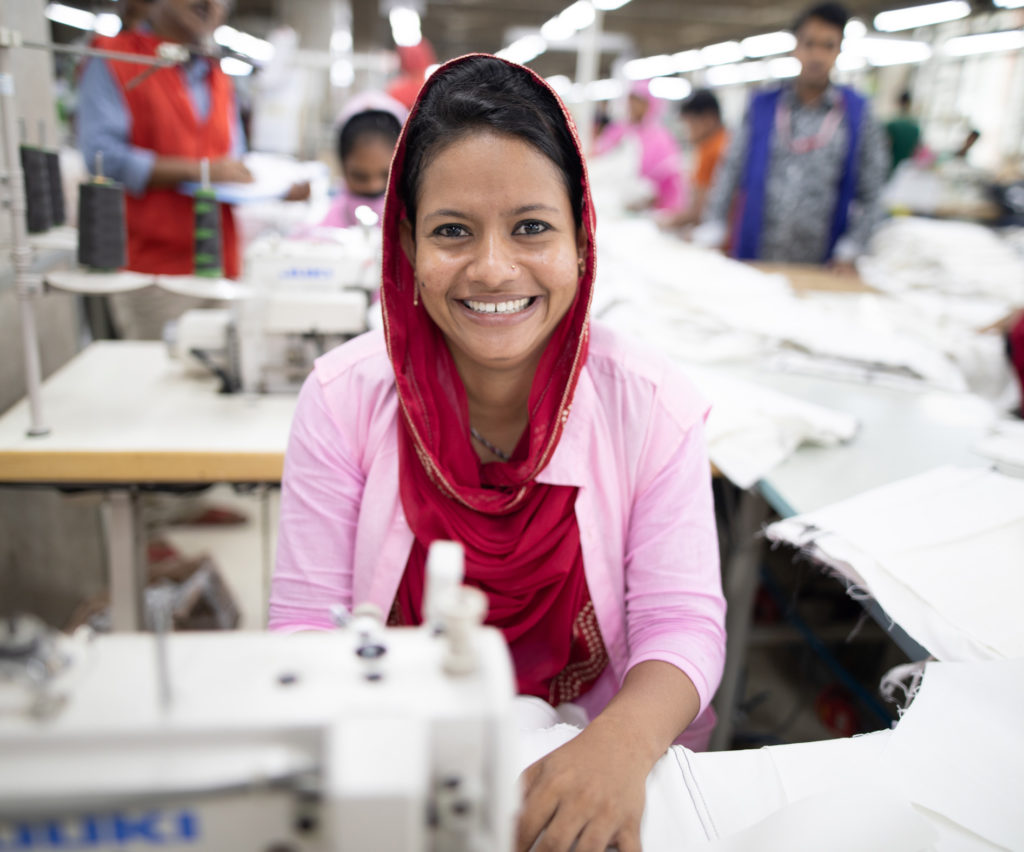
A knowledge hub is like a crucial tool in a garment worker’s wellness kit. It offers essential information on staying healthy, working safely, and managing well-being. This resource empowers workers to make informed decisions, promoting a healthier and more productive work environment in the garment industry.
Infectious DISEASES are caused by...
Bacteria
- Strep throat.
- Salmonella.
- Tuberculosis.
- Whooping cough (pertussis).
Virus
- Common cold.
- The flu (influenza).
- COVID-19.
- Respiratory syncytial virus (RSV)/Respiratory syncytial (sin-SISH-uhl) virus, or RSV.
Fungi
- Ringworm (like athlete’s foot).
- Fungal nail infections.
- Vaginal candidiasis (vaginal yeast infection).
- Thrush.
Parasites
- Giardiasis.
- Toxoplasmosis.
- Hookworms.
- Pinworms.
Gallery
Partners



Routine Vaccinations
COVID-19
Covid-19 vaccination plays a pivotal role in preventing severe illness, reducing transmission, and fostering collective immunity against the virus. Global vaccination efforts are crucial for overcoming the pandemic and returning to a semblance of normalcy.
Tetanus
Tetanus Toxoid (TT) is a routine vaccination activity under Expanded Program on Immunization (EPI) in Bangladesh. The women of reproductive age (15-49 years) are the target population for five doses of TT vaccine to protect them from tetanus.
Measles
A highly contagious viral infection that is spread through the air from person to person. Measles lives in the nose and throat mucus of an infected person and can spread to others through coughing and sneezing.
HPV
The HPV vaccination helps protect against cancers, including cervical cancer, caused by the human papillomavirus (HPV). It also helps protect against genital warts.
Hepatitis A and B
A viral infection that attacks the liver and can cause jaundice as well as acute and chronic disease.
Flu (Influenza)
Influenza vaccines are the most effective way to prevent infection and reduce the severity of the disease.
Rubella
Rubella is a contagious disease caused by a virus. Rubella is spread by contact with an infected person, through coughing and sneezing.
Hib
Haemophilus influenzae type b (Hib) is a type of bacteria that can cause life-threatening infections.
Contact Us
Or send your questions to us through the form below, and we shall get back to you soon.